
Mayowa Kalejaiye
Software & AI Engineer
I design and ship
AI products that
real people use.
I take products from idea to shipped—backend systems, real-time infrastructure, and applied AI that holds up in production. My latest, GigScout, went from zero to a live AI SaaS with paying users in three weeks—serving 669 scored matches on $0.26 of AI spend. I build in public on X, keep the formal write-ups on LinkedIn, and most of the code lands on GitHub. If you’d rather skip the reading, it all fits on my CV.
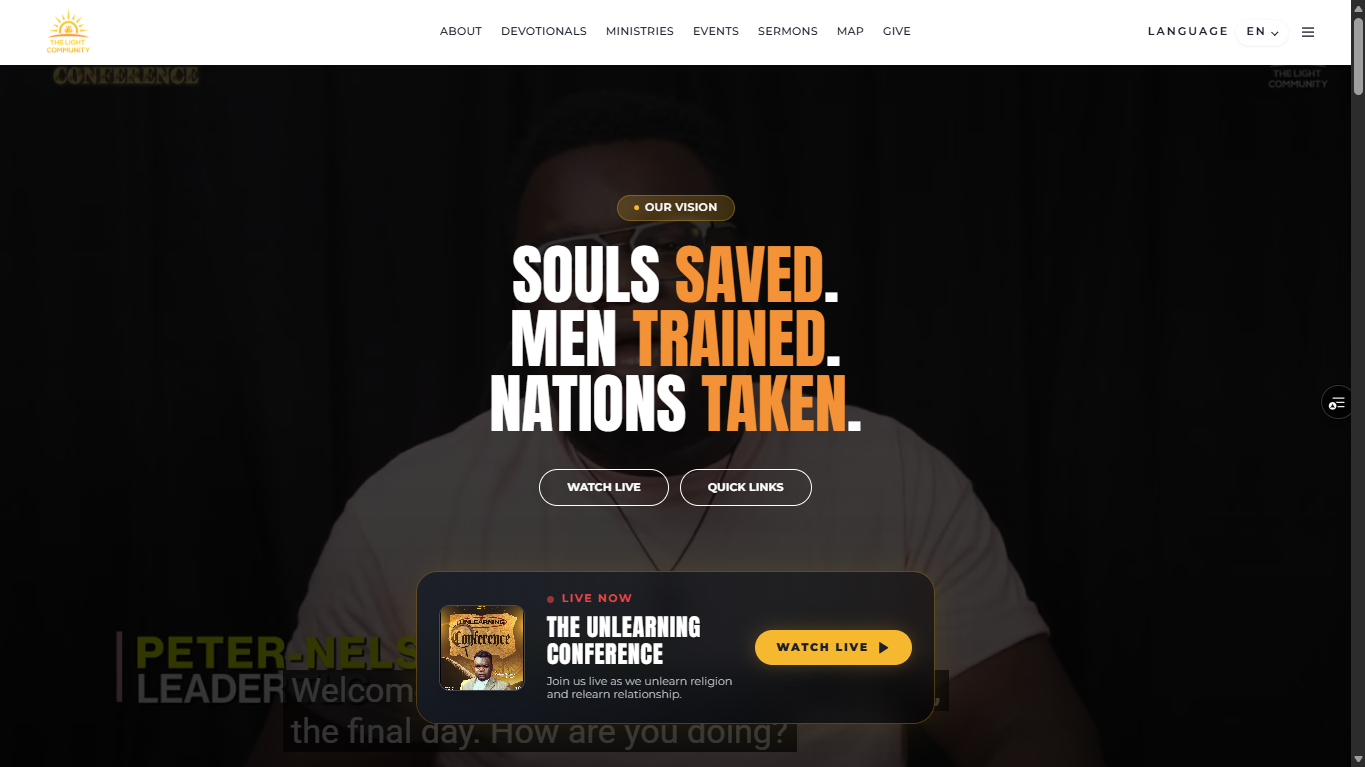
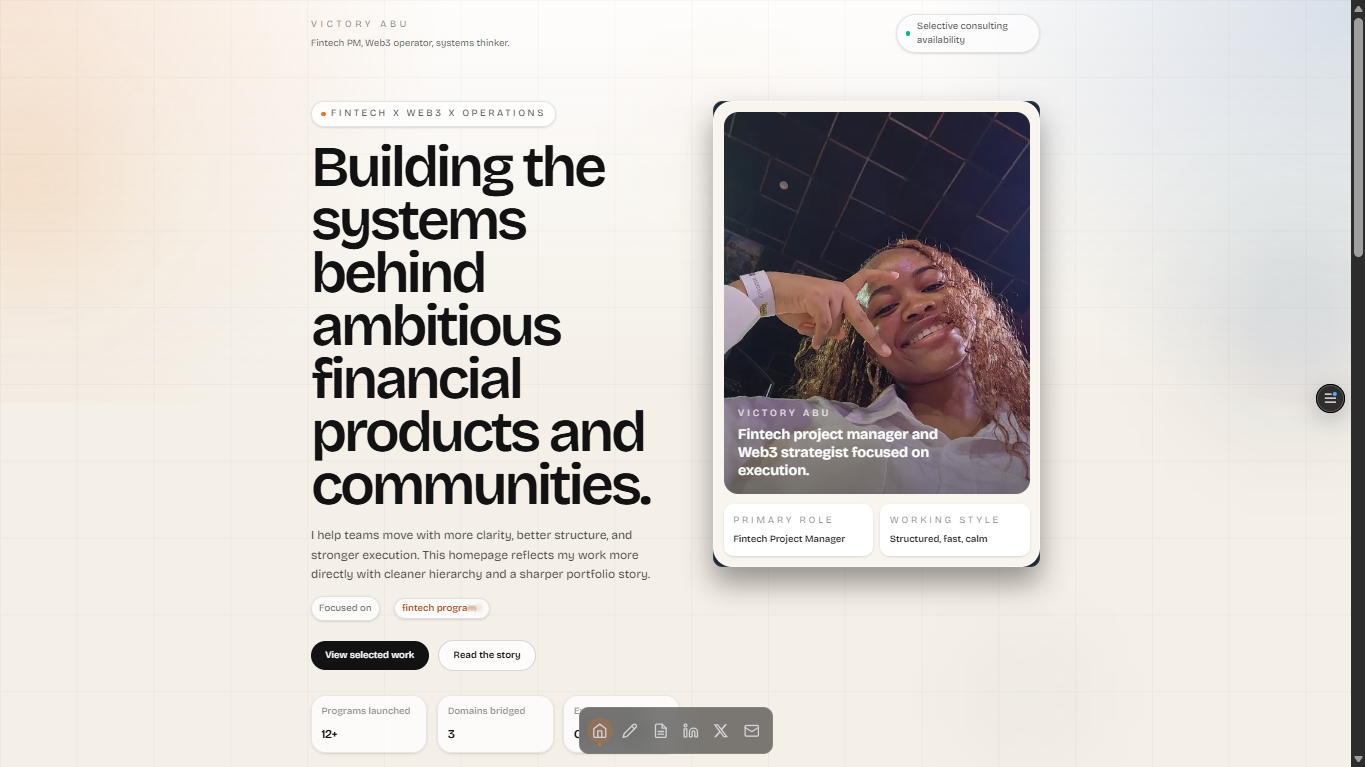
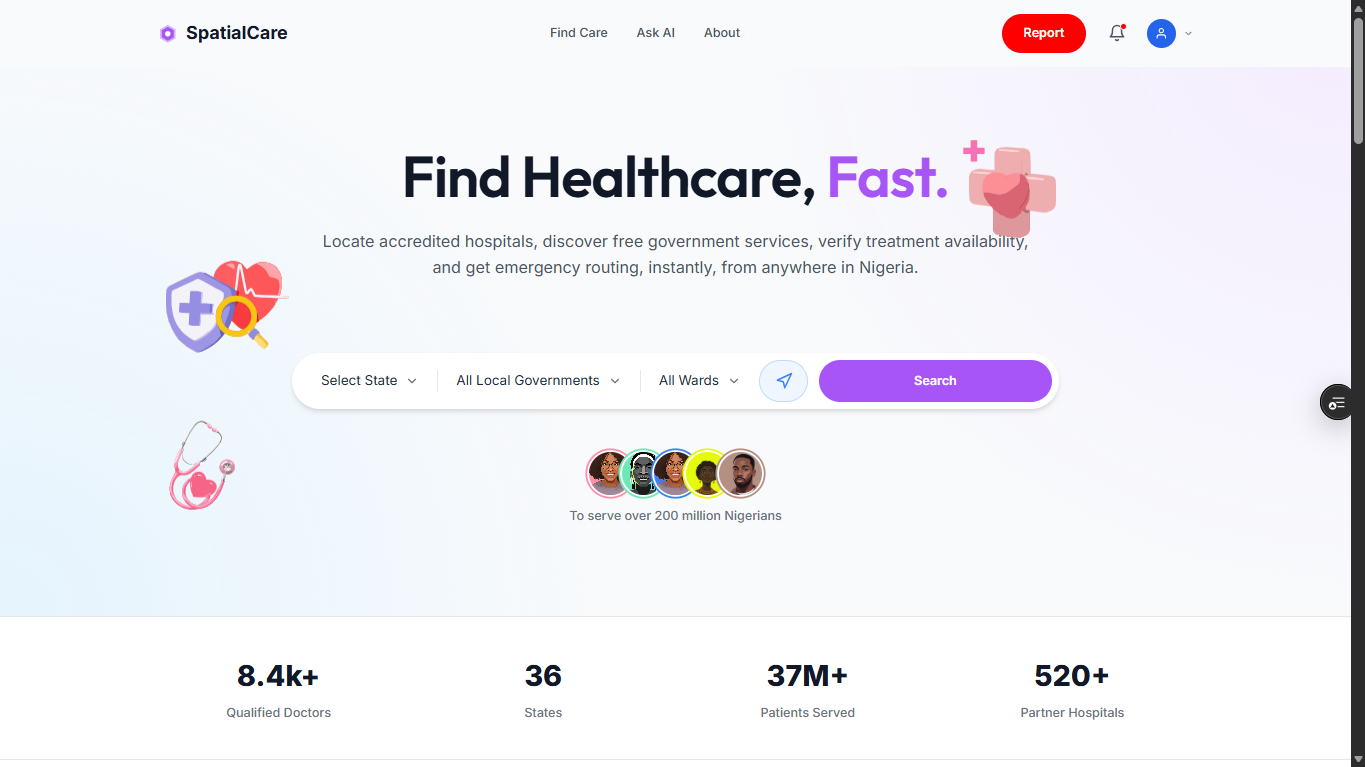
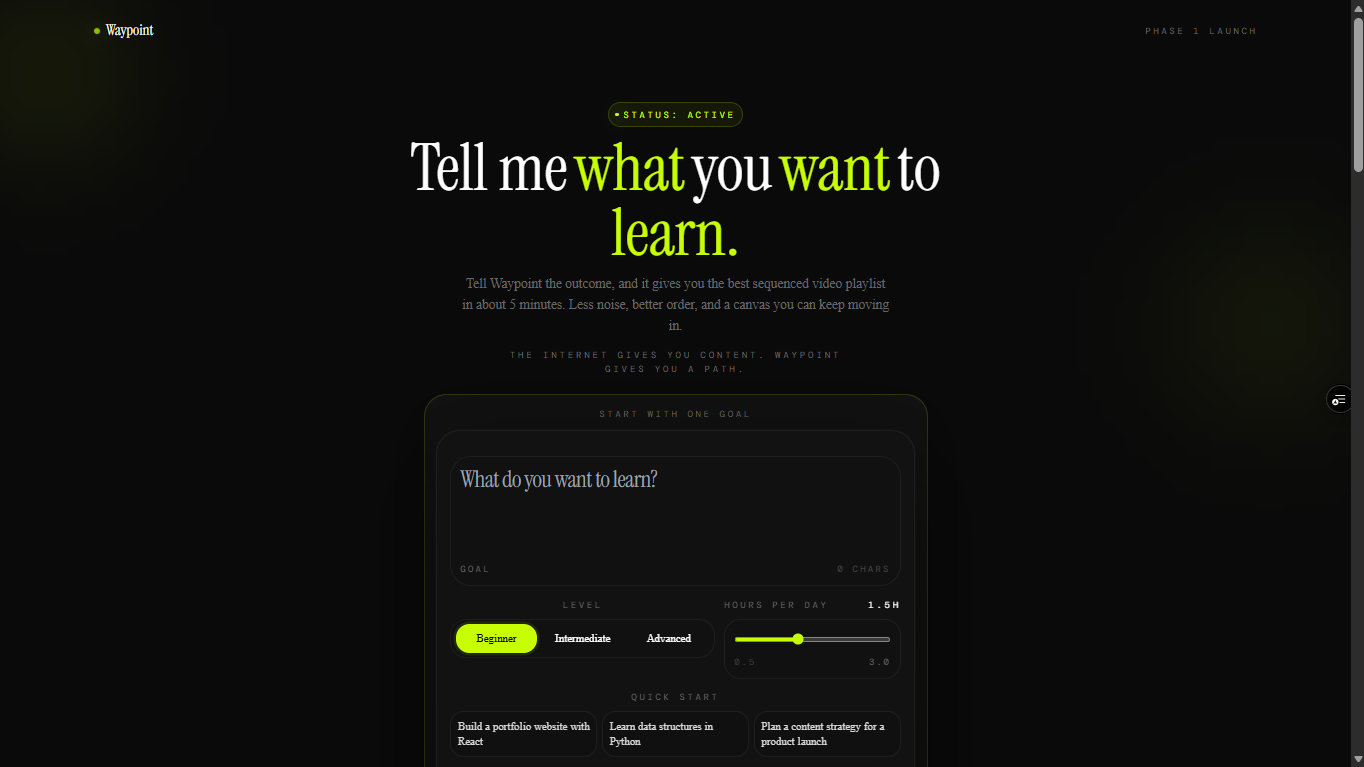
Selected work
All projects ↗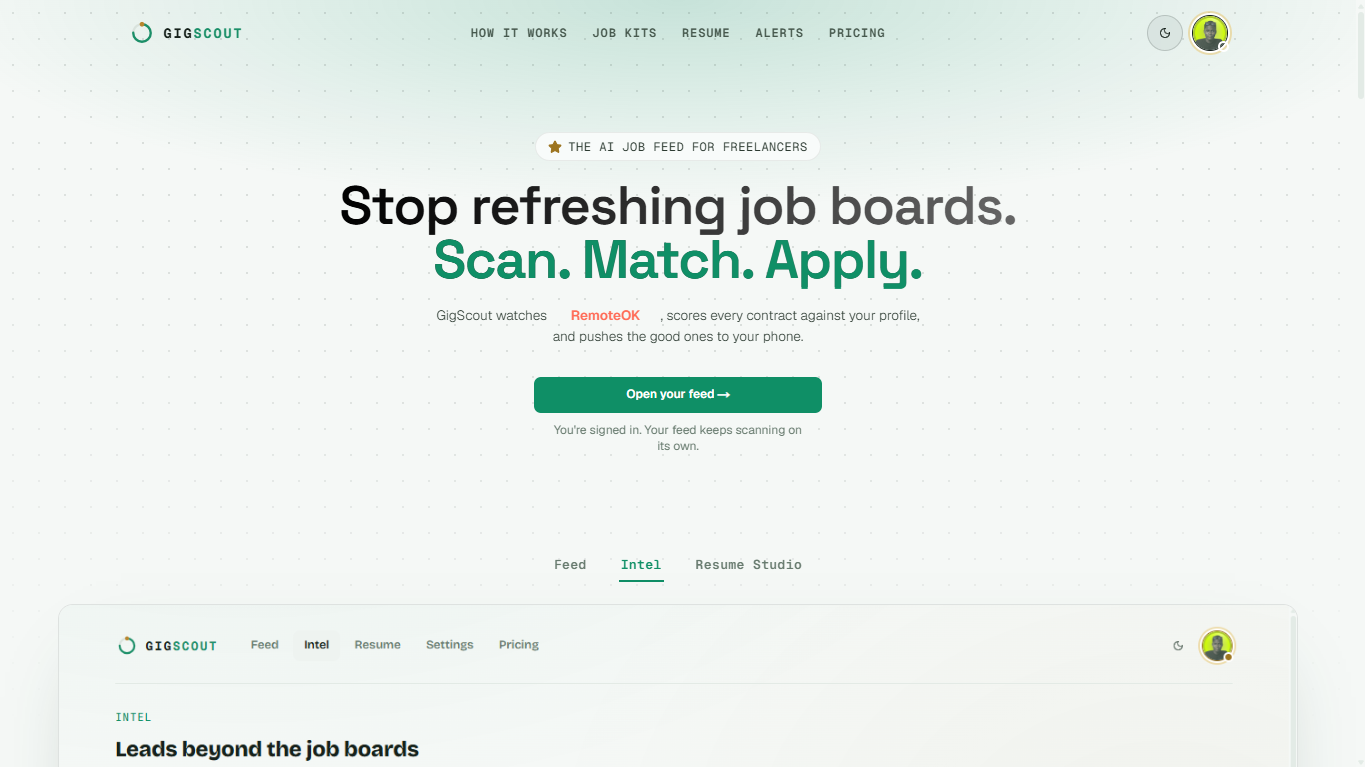
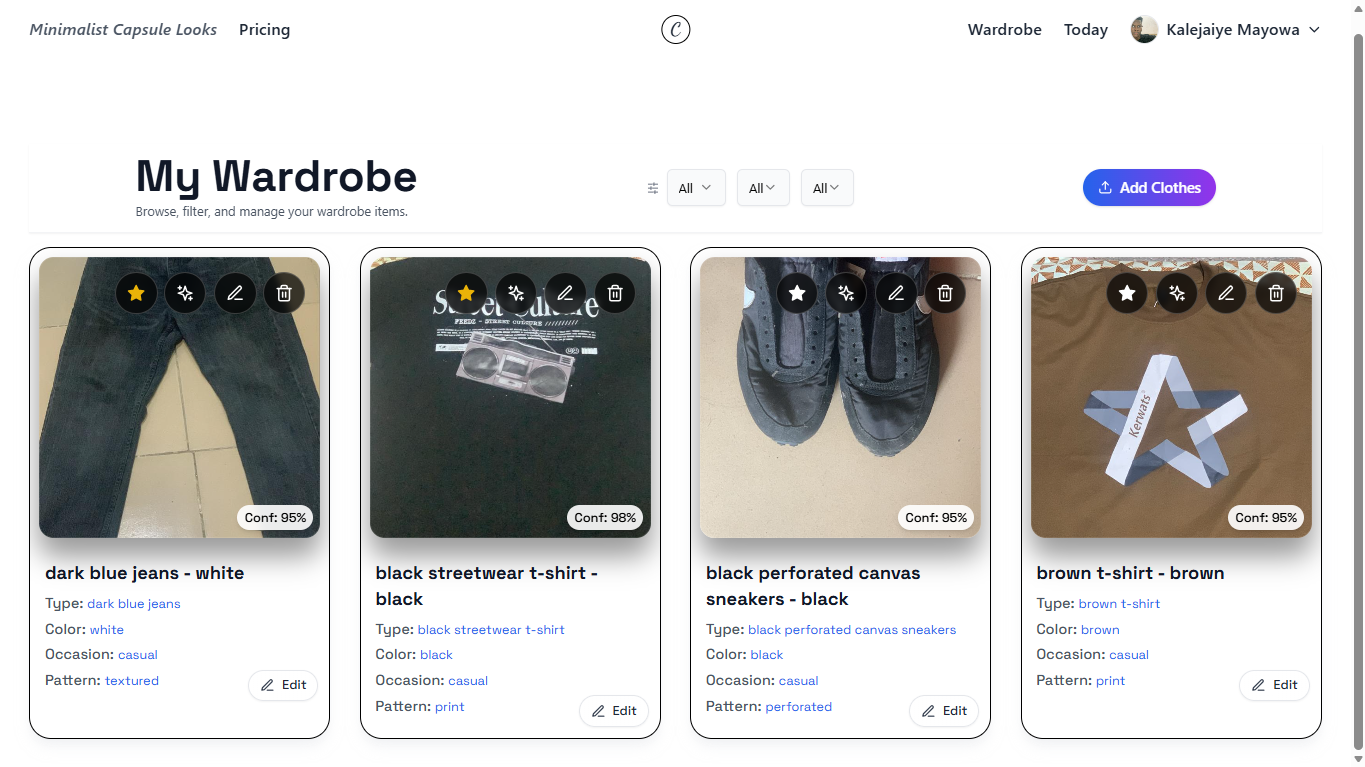
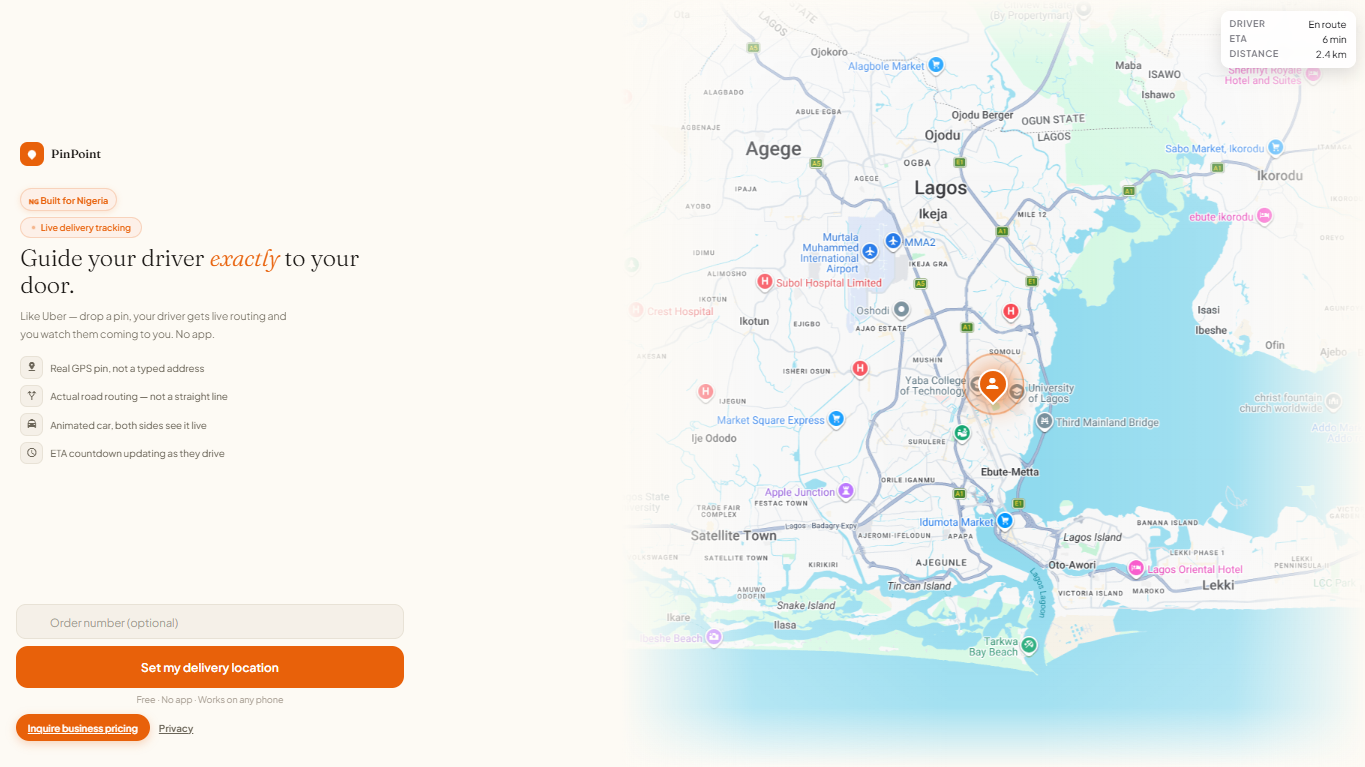
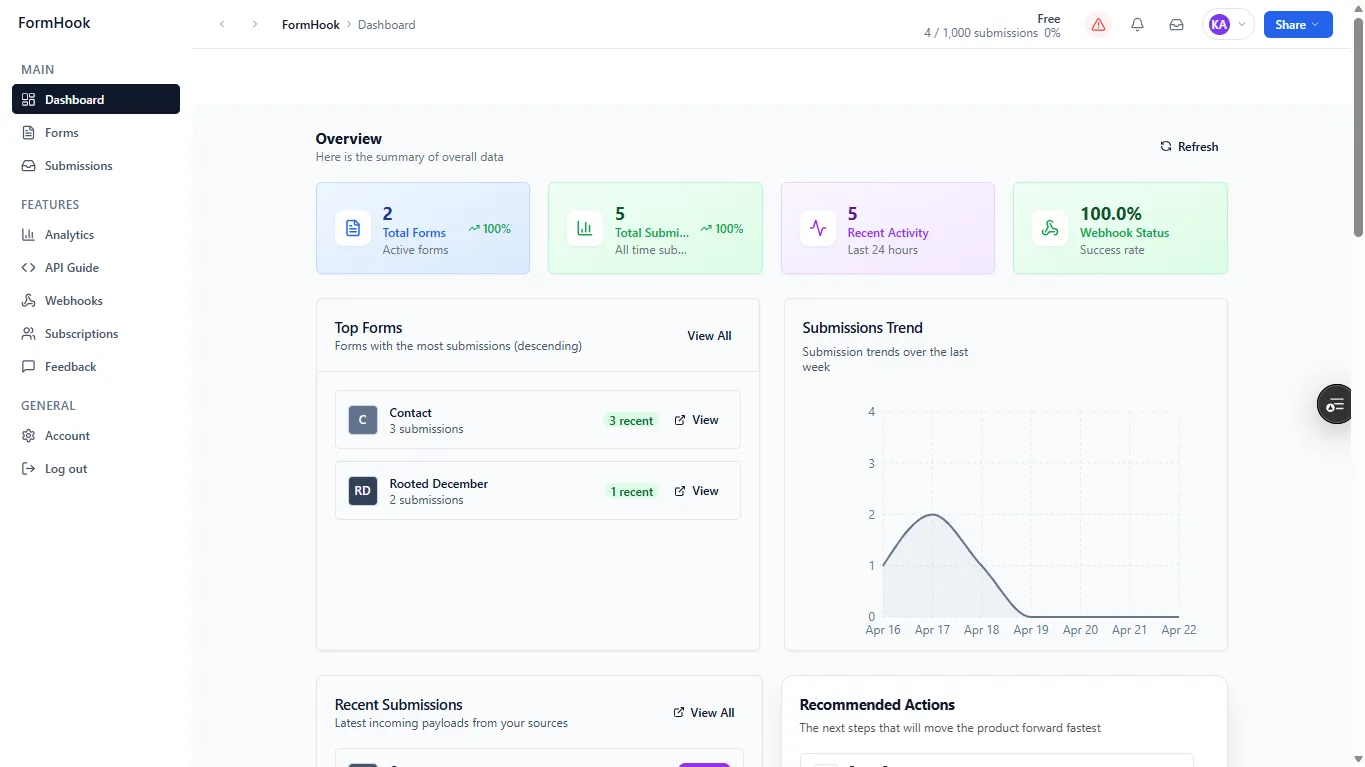
Approach
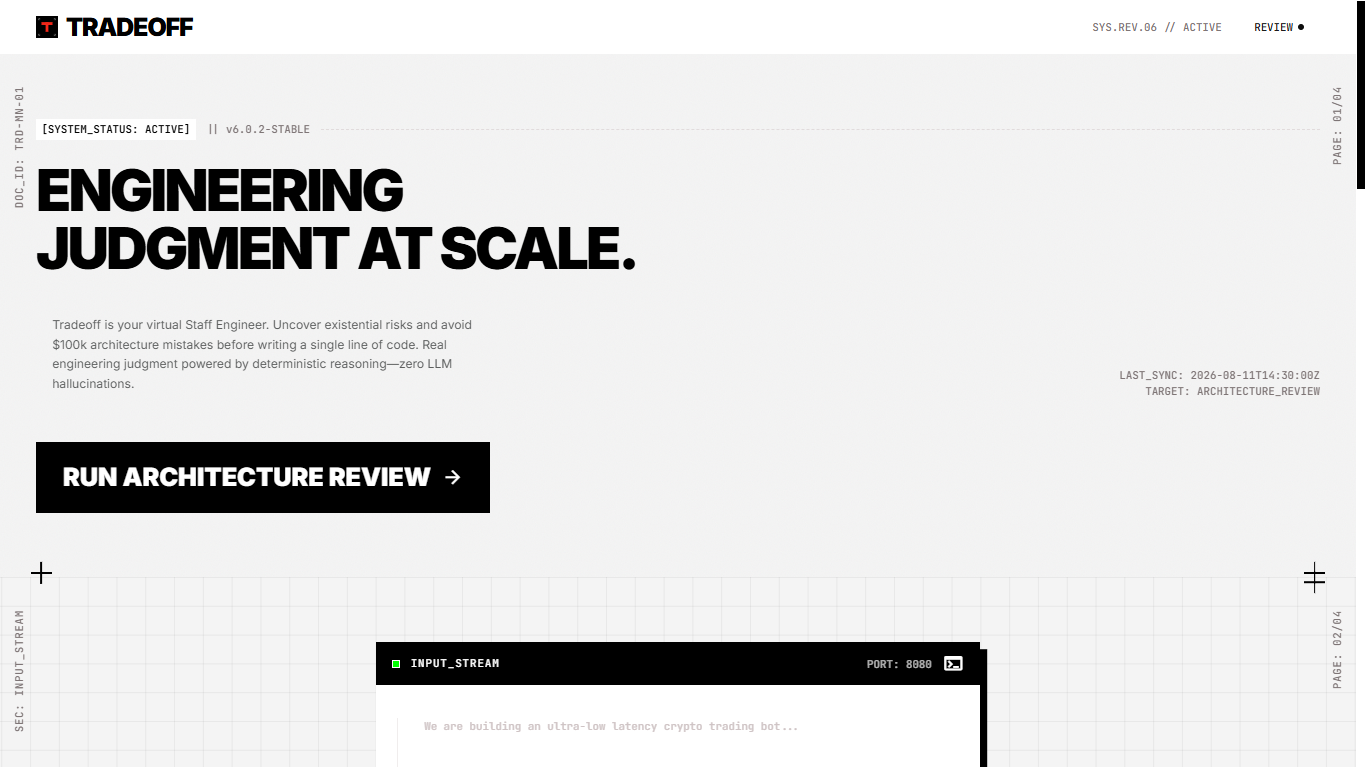
I build things around real product requirements, not arbitrary UIs—and I’m fully responsible for what runs in the system, from the database to the deployed code. My practice is informed by both software engineering and applied AI, so I focus on high-throughput backend systems, tracking infrastructure and deployed LLM stacks—fit for purpose, not the other way around.
I work in the domain of reusable systems, where APIs, auth and real-time infrastructure get the same level of detail as the core product, iterated upon in tandem with it in production.
Experience
Built AI-driven systems automating legal document classification and prioritization, driving large efficiency gains across internal operations.
Deployed high-throughput ML inference pipelines and real-time APIs, removing manual workloads and bottlenecks.
Owned the frontend platform architecture as the sole engineer responsible for client-side performance and user experience.
Delivered highly responsive, complex interfaces bridging backend APIs with dynamic, real-time content delivery.
Designed and deployed scalable Django REST APIs powering content aggregation and complex progress tracking systems.
Architected modular backend services and enforced strict API contracts, drastically reducing integration friction for frontend teams.
Extended backend features for health reporting and resource coordination tools.
Designed RESTful APIs supporting data collection and cross-system integration.
Worked in agile cycles with an international, cross-functional team.
Capabilities
-
Scalable Backend SystemsHigh-throughput APIs, guaranteed retry architecture and distributed event processing that hold up when the load is real.
-
AI / LLM InfrastructureProduction LLM integrations, NVIDIA NeMo, computer vision and vector embedding pipelines wired into products people use.
-
Real-time EngineeringLow-latency WebSockets, live GPS tracking and data synchronization across thousands of concurrent connections.
-
Data-Driven InterfacesInterfaces wired to real APIs, with loading, empty and error states designed as part of the experience rather than an afterthought.
-
Zero-to-Scale OwnershipTaking an idea that is still a little unclear and turning it into something people can actually use—then keeping it running as it grows.
My feed
View all ↗LinkedIn highlights
Visit profile ↗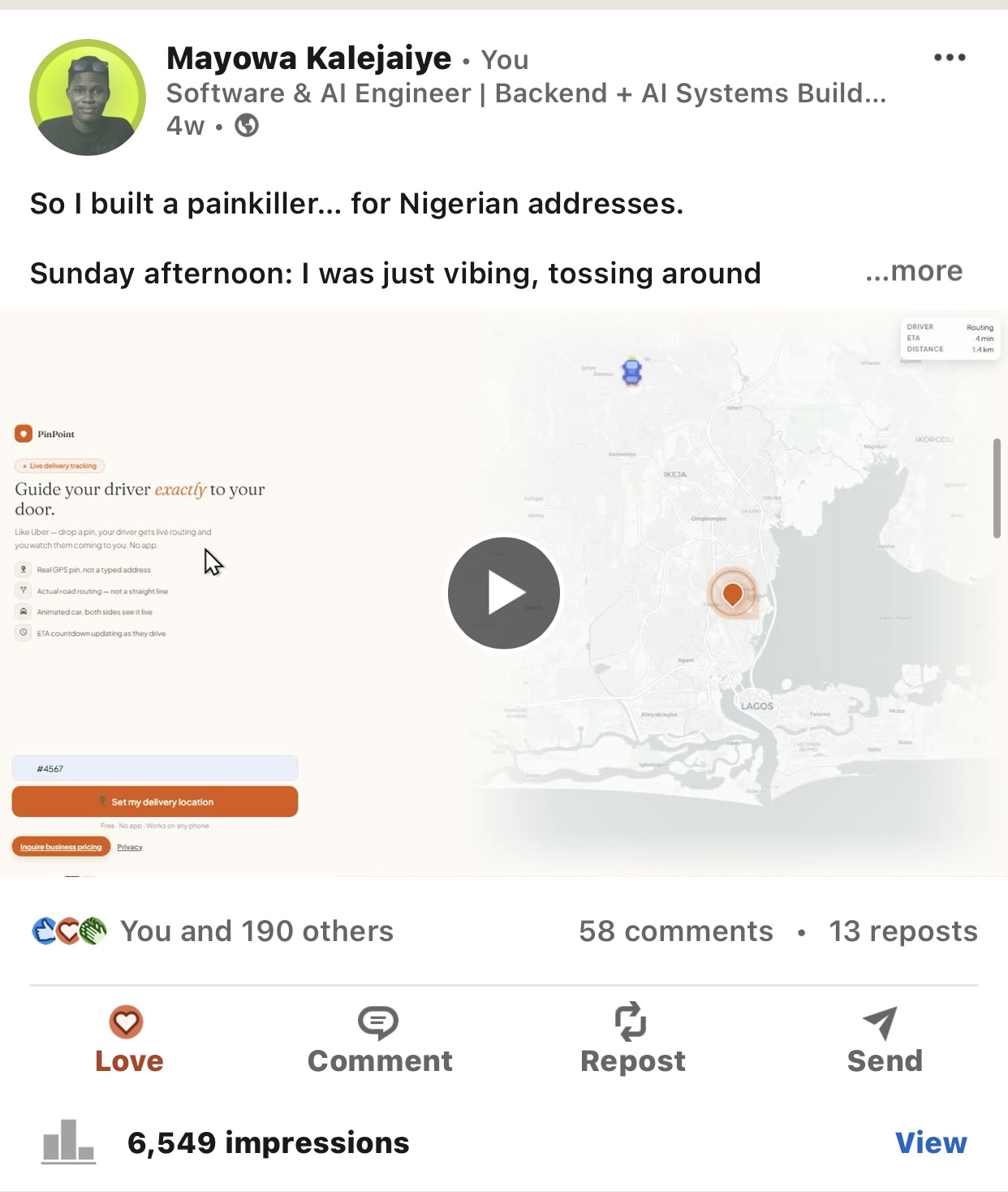
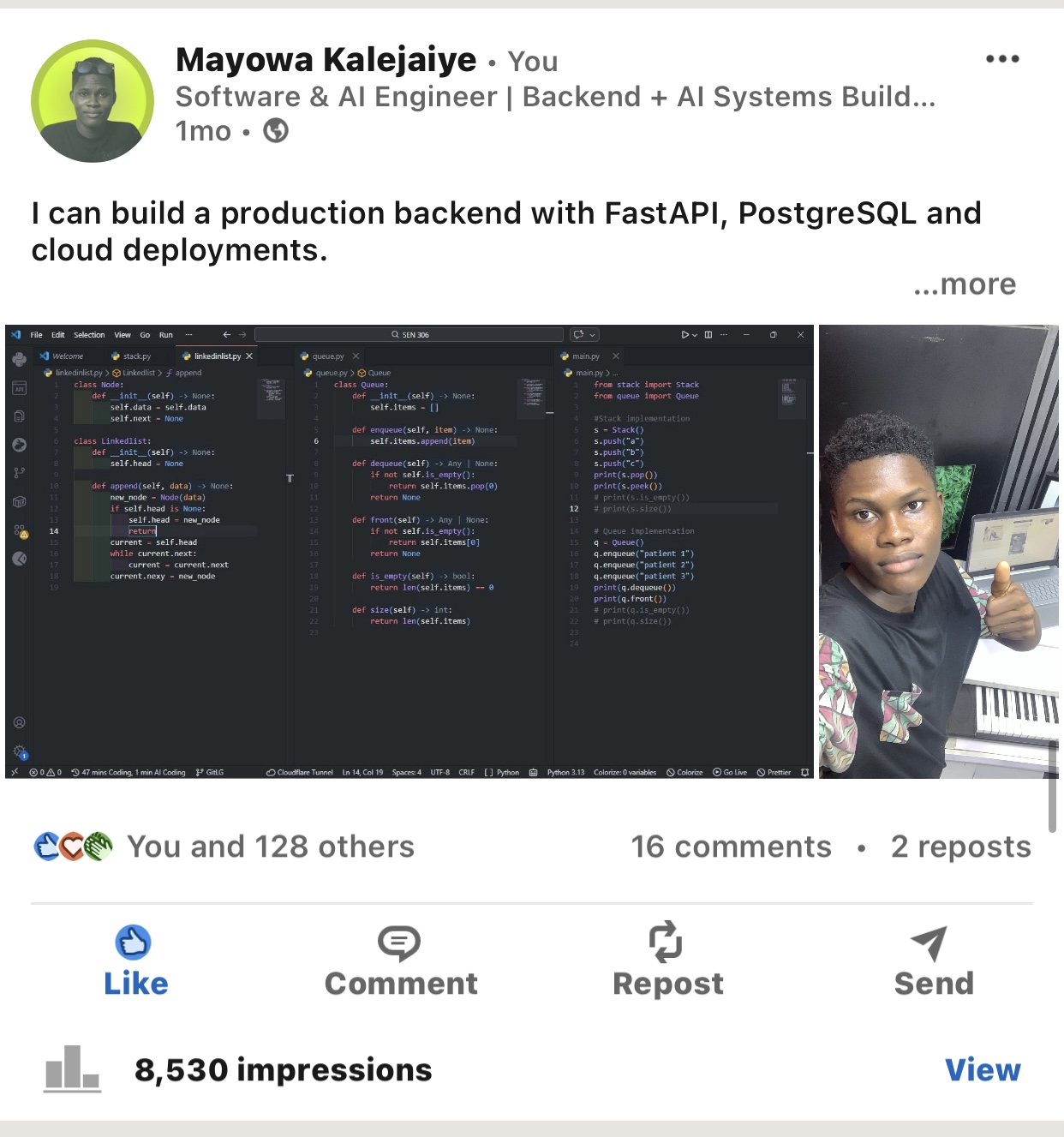
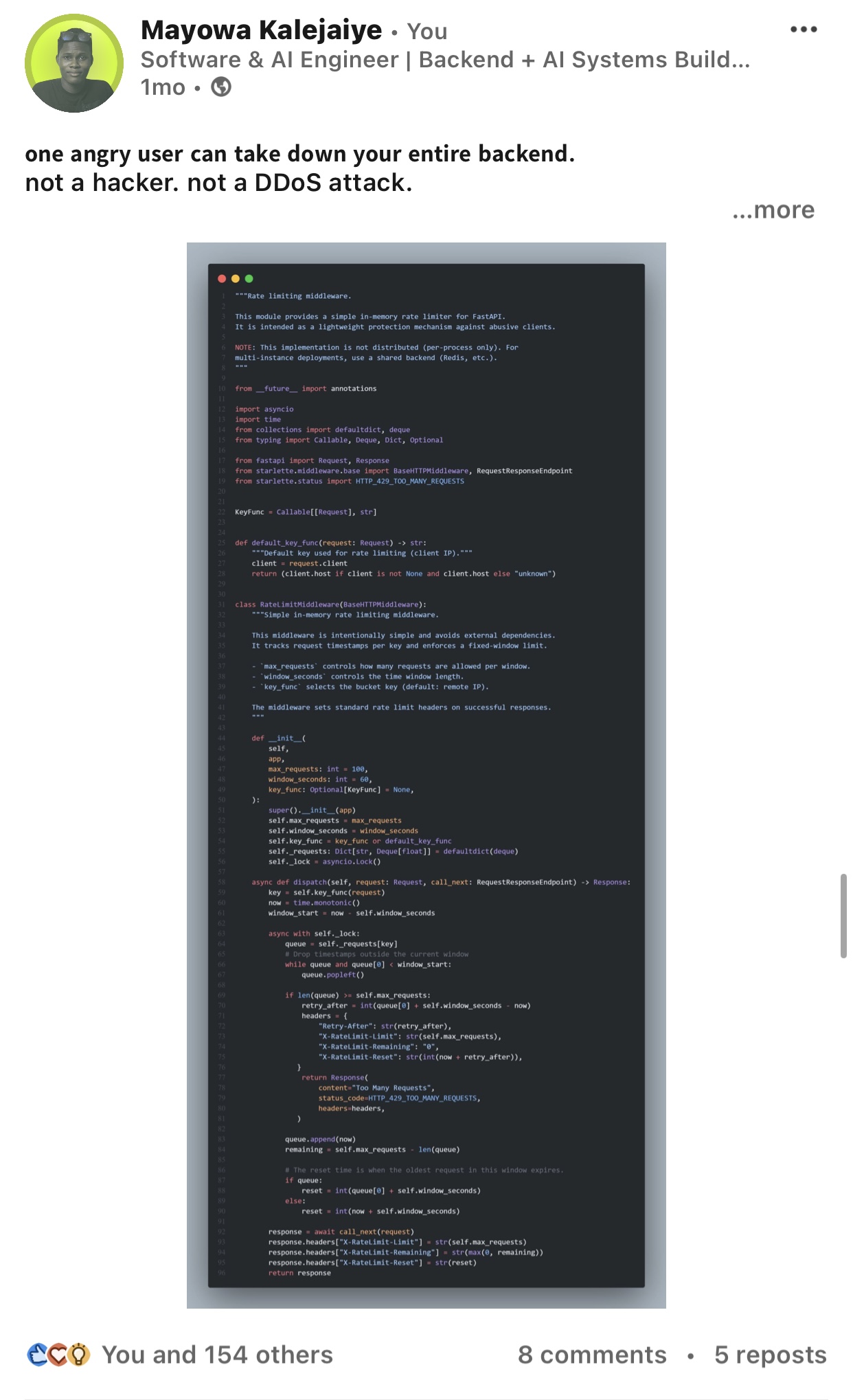
What I care about
I’m best when working at the intersection of engineering strategy and tactics. I take a vague idea and turn it into something that can really be used—deciding on the architecture, implementing the AI, and generally wasting too much time with the details that make things feel right.
All of this is to say that performance is a feature, code is read and re-read many times, and engineering that does not ship is wasted.
If that sounds like your kind of problem, let’s talk.
Available now for freelance & contract work—AI products, full-stack builds, and technical architecture.